ROUTE56 grew through community classes, DEKA weekends, HYROX road trips, recovery, coaching and a crew willing to keep asking what the next race could be.
A local class becomes a tradition.
Pam Waddick hosts an annual open community HIIT class at HIIT56 West Boca and calls it Route 56. The COVID-19 gym shutdowns bring the series to a close in 2020, but the name stays part of the gym’s story.
With classes scarce, HIIT56 dives headfirst into DEKA—and the crew’s hybrid-fitness-racing obsession begins.
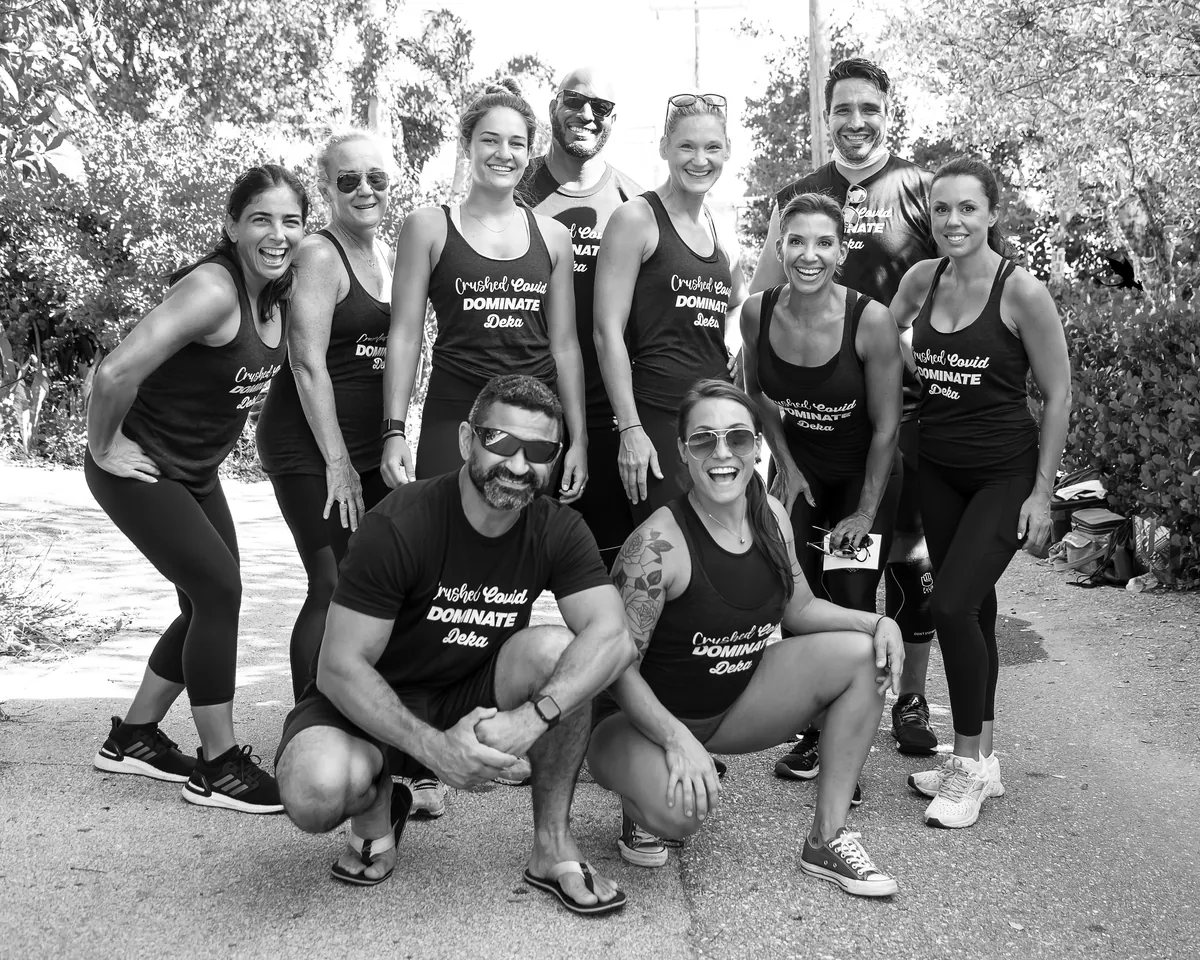
HIIT56 trains members for at least 15 DEKA events. The crew shows up together, learns the format and builds a close relationship with one of DEKA’s founders.
When Pam, William and the HIIT56 crew reach the first DEKA ATLAS, the event is still finding its footing and the operation needs direction. The crew steps in and ends up taking it over—Pam judges and also takes the start line.
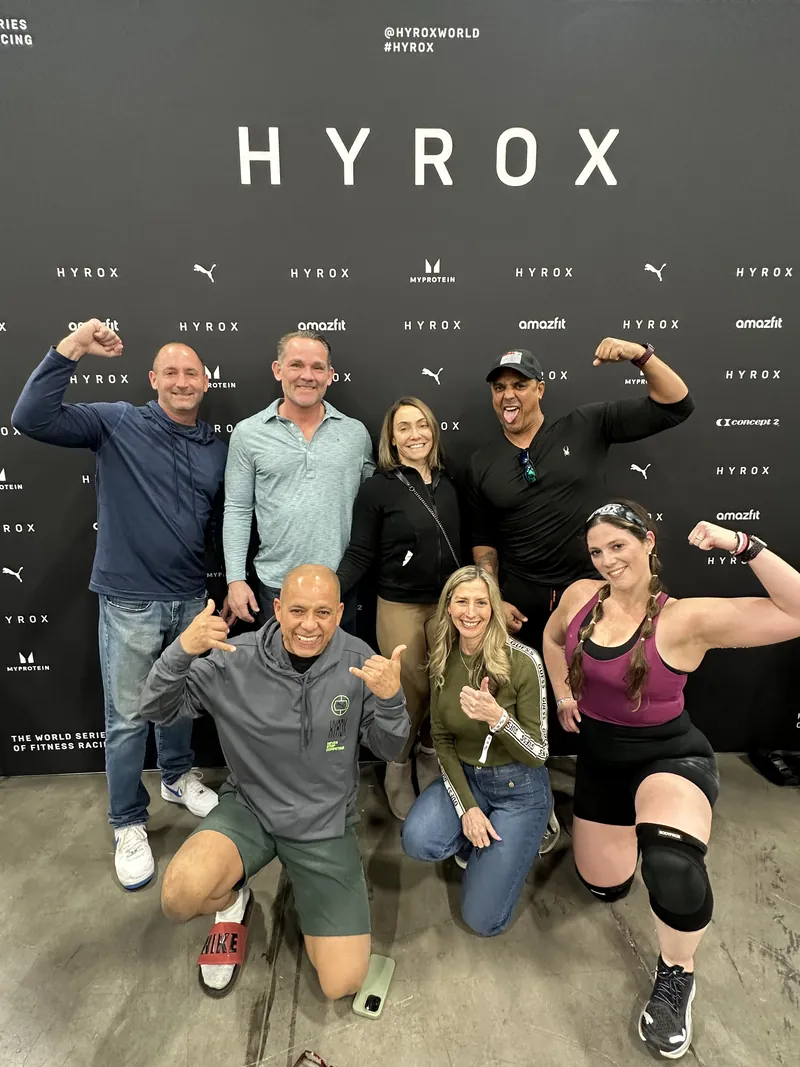
The crew before the courseYears of training together built the trust to test something new.
2024–2025 · HYROX changes the view
The next challenge changes the perspective.
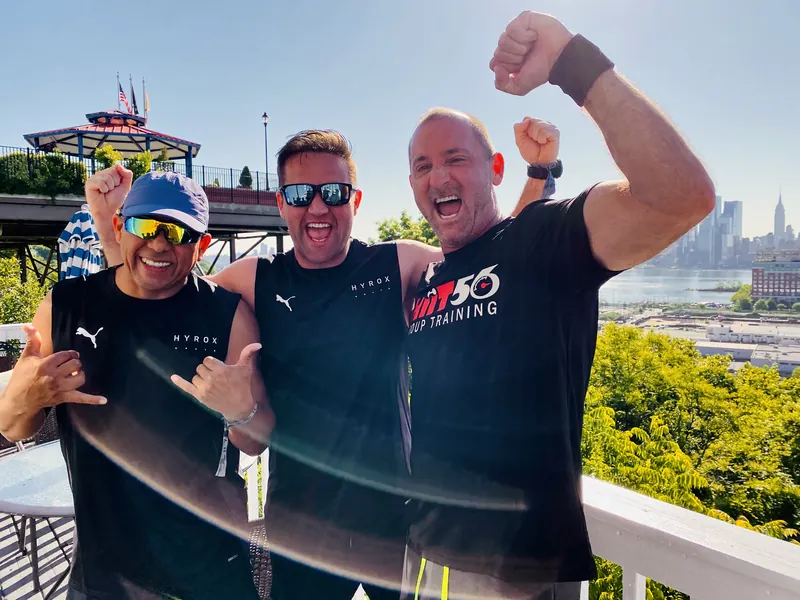
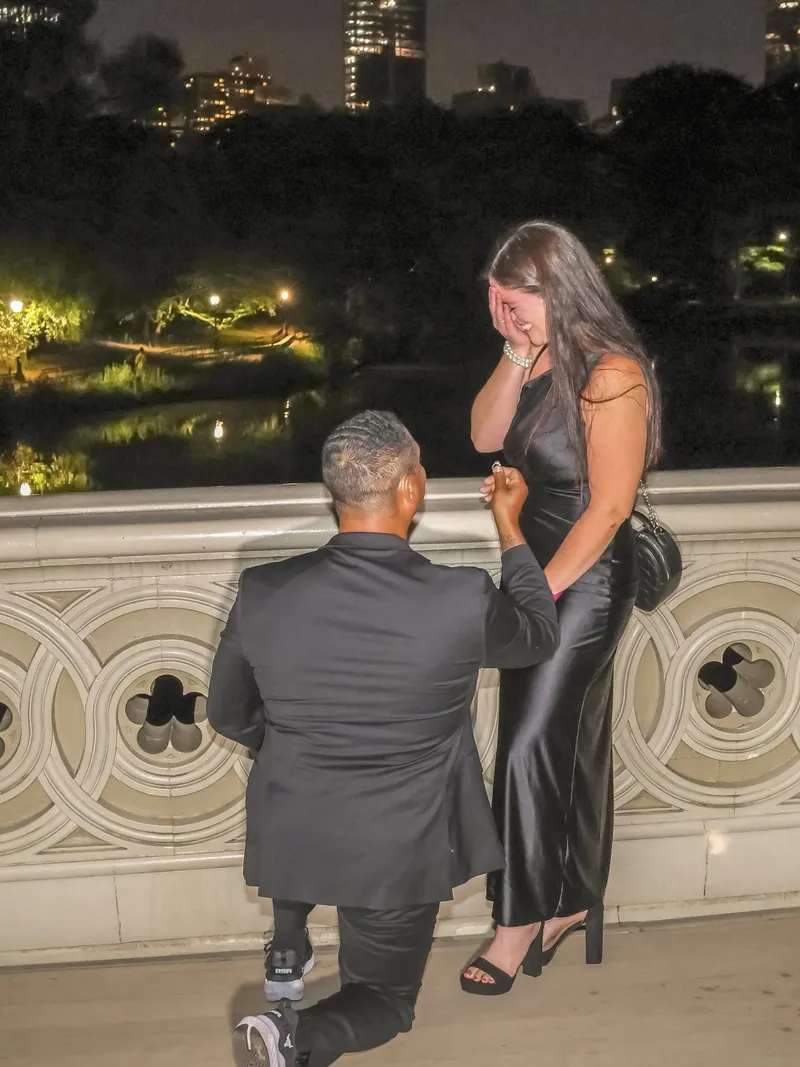
In summer 2024, Melissa and close friends take on HYROX New York. William is still recovering from an ACL replacement, so he watches from the sidelines and experiences the scale, energy and emotion through the people closest to him.
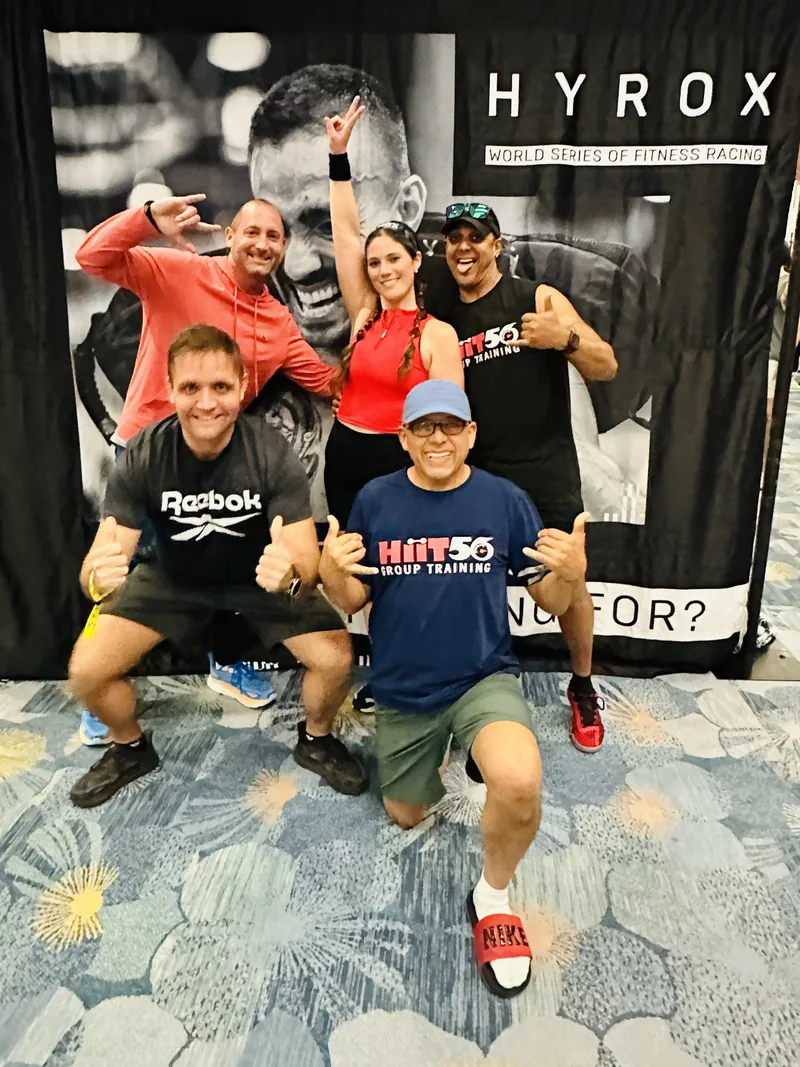
That race becomes the spark. He spends the next six months training the crew for Anaheim, California, learning every interval, transition and recovery window from a coach’s perspective.
The workTraining became the rhythm between events.
2024–2025 · The HYROX road
New York starts the question. Anaheim proves the work. Las Vegas opens the next road.
New York arrives first in summer 2024, before the Anaheim training block. Watching the crew race makes William wonder whether all that preparation could lead to a fresh hybrid format of their own—not just another plan for someone else’s event.
Anaheim follows six months of focused work. Las Vegas comes next. By then, the question has become a plan, and William begins developing the race that will become ROUTE56.
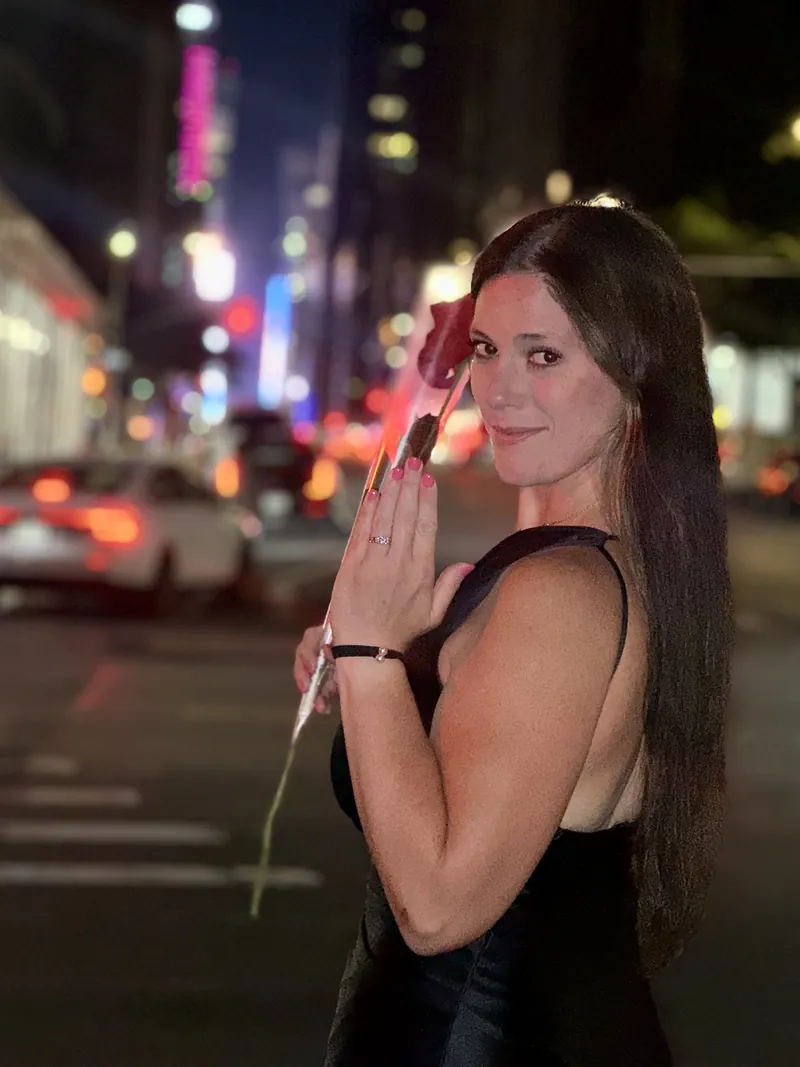
New York · Summer 2024The spark arrives.
AnaheimSix months of preparation reaches the floor.
Las VegasThe next road begins to take shape.
A new format reaches the start line.
After Las Vegas, William starts turning the plan into a race. During an afternoon out, Pam suggests bringing back the Route 56 name and working intervals into the format he is describing. It is one good idea, shared at the right time.
With Melissa and close friends around him, William shapes that spark into ROUTE56. Nearly a decade leading group HIIT at HIIT56, his NASM foundation and years of preparing athletes for hybrid events inform the format. He develops the race, patent-pending equipment and a proprietary RFID timing architecture with ESP Timing and Race Result. Training sessions and two 2025 races at HIIT56 prove the concept.
The identity
The name found its start line.
The difference
Earned Time - Forced Rest.
Every Block clock keeps running after the final station. Finish faster, cross into the Pit Stop and the remaining countdown becomes Earned Time - Forced Rest before the next run.
The time is earned because faster Block work creates more of it. The rest is forced because athletes remain in the Pit Stop until the countdown reaches 00:00.
ROUTE56 brings running and strength together, then makes the clock part of the course. The Pit Stop, Earned Time - Forced Rest and the 56-based structure give athletes a race they can understand—and a strategy they have to learn.
Athletic
Run + strength
Four runs connect three strength-and-engine Blocks, preserving the sport’s hybrid foundation.
Strategic
Earned Time - Forced Rest
Block pace changes both the scored work and the mandatory recovery window before the next run.
Measurable
Splits + transitions
RFID mats capture the sections that make the format distinctive rather than hiding them inside one finish time.
The clock became part of the course.
Behind the scenes of the timing hardware, RFID testing and the technical layer that makes ROUTE56 more than a workout with a stopwatch.
Working with ESP Timing and Race Result, William developed a proprietary RFID timing architecture for Block entries, exits, Pit Stops, the Off Ramp and the split data athletes see after the finish.